
QUICK ANSWER
What are folding carton boxes?
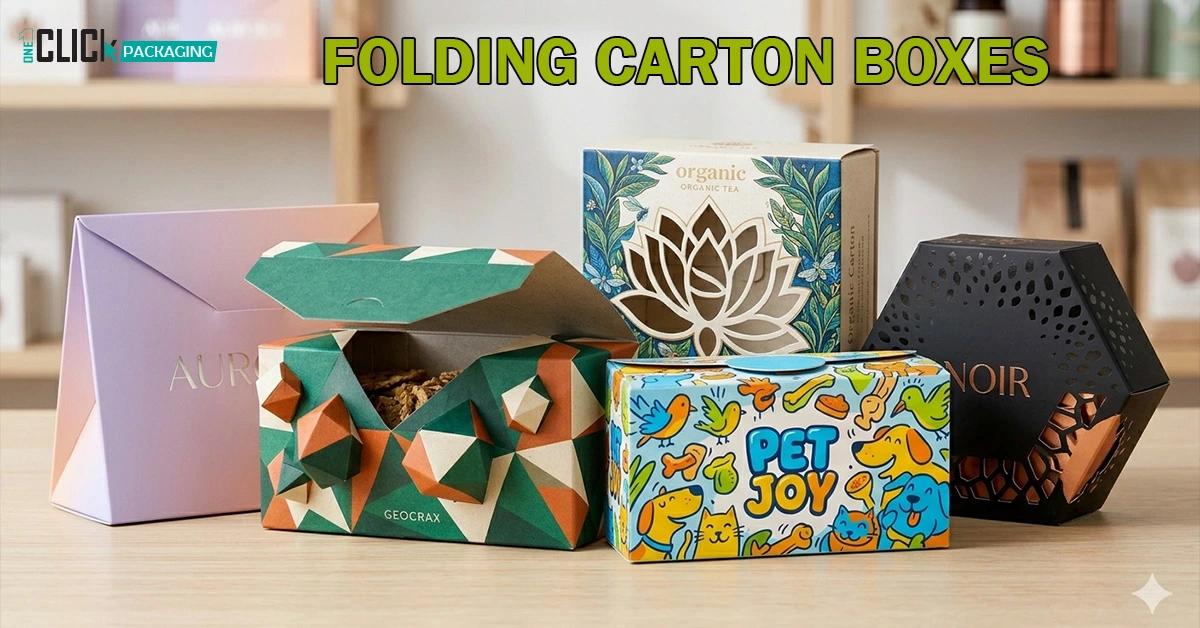
Folding carton boxes are flat-packed paperboard packaging structures scored, cut, and folded into shape at the point of filling. Made from SBS, CUK, or recycled board at 180 to 450 GSM, they are the most widely used retail packaging format globally. Brands like Kellogg’s, L’Oreal, and Nestle use them because they are lightweight, fully printable, recyclable, and cost-effective at scale, especially for custom cereal boxes and high-volume retail products. Unit costs range from $0.08 to $1.50 depending on size, board grade, and finish.
A brand manager I worked with in 2023 spent four months perfecting her vitamin supplement formula. The product was solid. The price was right. But she put it in a generic white tuck-end box from the cheapest supplier she could find. It sat on shelf next to every other white box in the health aisle and sold almost nothing for six months.
The product had not failed. The packaging had. That story repeats itself across retail categories every single day, and it always starts with underestimating the folding carton.
Folding cartons are the most common packaging format in retail, widely used in modern custom packaging solutions across industries. They cover food, pharmaceuticals, beauty, household goods, and more. Yet most brands treat them as a commodity. This guide covers what they are, which styles matter, what they cost in 2026, and where brands consistently go wrong.
What Is a Folding Carton Box?
A folding carton is a paperboard box manufactured flat, then folded into shape at the packing line. The board typically runs between 180 and 450 GSM, making it significantly thinner than a rigid box but far more printable and flexible in structure than corrugated.
The flat format is the key advantage. A pallet of flat carton blanks takes a fraction of the freight and warehouse space that pre-formed boxes require, which is critical when handling bulk candle shipping boxes in distribution. For brands running high-volume SKUs across multiple distribution points, that efficiency translates directly into cost savings.
Internal Link: compare folding cartons against all major packaging formats -> Packaging Box Styles Guide Brands Use to Stand Out
Which Folding Carton Style Should You Use?
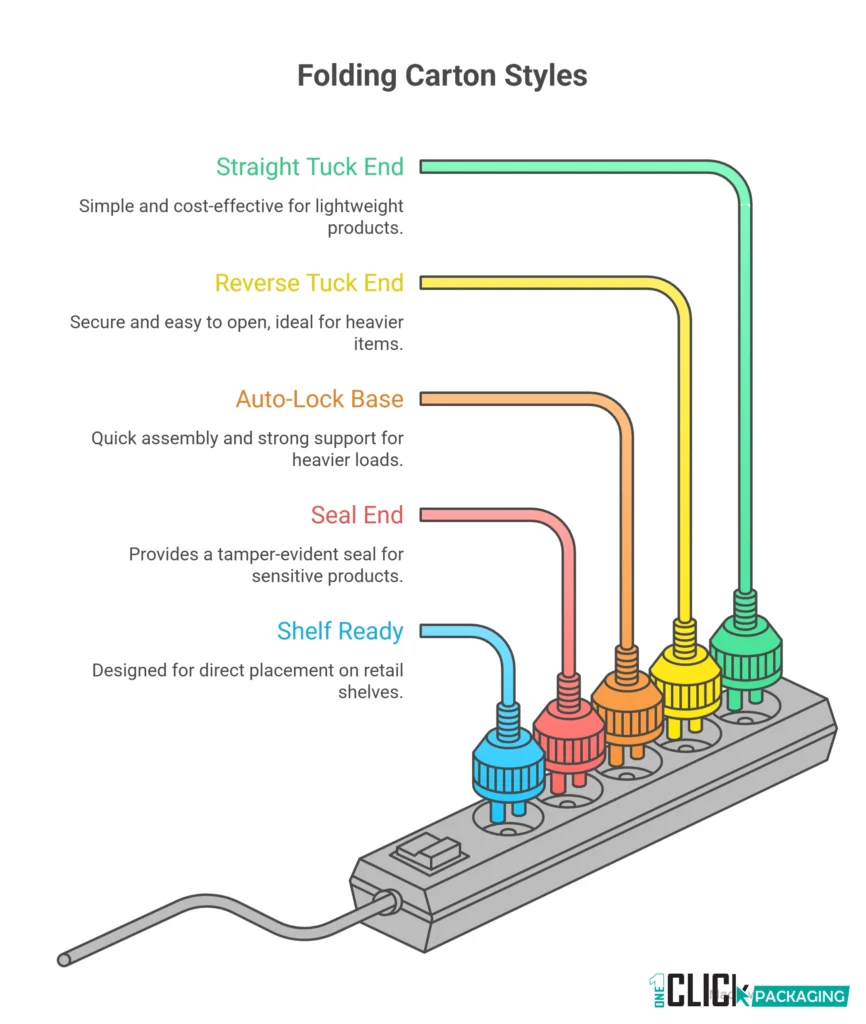
Picking the wrong structural style is one of the most common and expensive mistakes in retail packaging. Here are the five formats that account for most retail carton use:
| Carton Style | Best For | Key Advantage | Watch Out For |
| Straight Tuck End | Health, beauty, pharma | Clean, professional look | Weak on heavy products |
| Reverse Tuck End | Food, OTC meds, toys | Easier to open and close | Wrong orientation jams fill lines |
| Auto-Lock Base | Bottles, heavy items | Base holds without gluing | Overengineered for lightweight packs |
| Seal End (Glued Base) | Food, candles, liquids | Stronger moisture resistance | Higher unit cost than tuck styles |
| Shelf Ready (SRP) | Grocery, convenience | Ships and displays in one box | Perforation must be tested before launch |
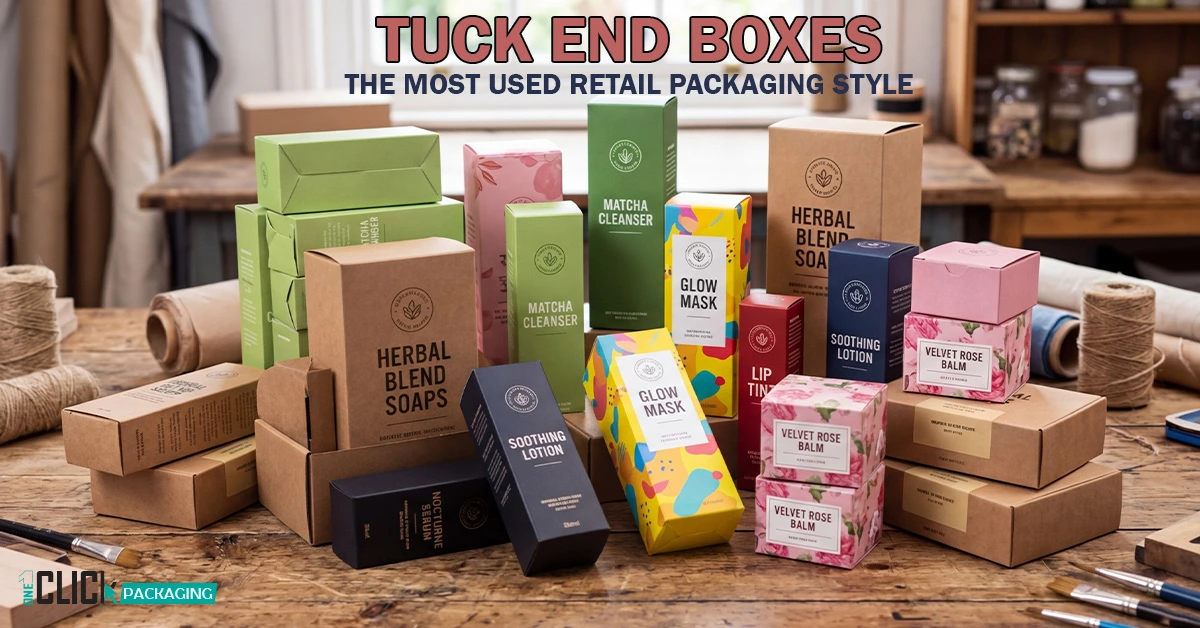
Related: deep dive into tuck end boxes and why they dominate retail shelves > Tuck End Boxes The Most Used Retail Packaging Style
SBS, CUK, or Recycled Board: Which One Does Your Product Need?
Board grade affects print quality, structural strength, food safety compliance, and unit cost. Getting it wrong costs more than the price difference between grades.
• SBS (Solid Bleached Sulfate): Bright white both sides, best colour reproduction. Default choice for pharmaceuticals, premium beauty, and food. Costs 15 to 25 percent more than recycled board.
• CUK (Coated Unbleached Kraft): White coated face with brown reverse. Stronger than SBS at the same caliper. Used by cereal brands like Kellogg’s and General Mills for heavy retail stacking.
• FBB (Folding Box Board): Lighter than SBS at equivalent stiffness. Dominates European pharmaceutical and cosmetics packaging.
• Recycled Board: Lowest cost, strong sustainability credentials, but limited colour accuracy. Appropriate for secondary packaging or eco-positioned brands comfortable with an off-white surface.
A simple rule: If your product retails in a food or pharmaceutical context, including regulated pharmaceutical boxes, start with SBS. If structural robustness under shelf stacking matters more than print quality, CUK is the stronger choice.
What Do Folding Carton Boxes Actually Cost in 2026?
Unit costs vary widely based on size, board grade, print specification, and order volume, especially for products like custom chocolate packaging where finish impacts pricing. Here is a realistic range from supplier quotations collected in Q1 2026:
| Product Type | Board Grade | Finish | Unit Cost UK/EU | Unit Cost Asia |
| Pharmaceutical (small) | SBS 275 GSM | 4 colour offset | $0.08 – $0.18 | $0.04 – $0.10 |
| Health and Beauty (medium) | SBS 350 GSM | 4c + gloss laminate | $0.22 – $0.55 | $0.10 – $0.28 |
| Food / Cereal (large) | CUK 350 GSM | 4c + aqueous coat | $0.35 – $0.80 | $0.15 – $0.40 |
| Supplement / Nutraceutical | SBS 300 GSM | 4c + soft touch | $0.28 – $0.65 | $0.12 – $0.32 |
Setup costs (printing plates and die) are fixed at $800 to $3,500 per job regardless of quantity. At volumes above 50,000 units, per-unit costs drop by 20 to 35 percent. The cheapest unit price is not always the cheapest decision: a carton that jams an auto-cartoner at 300 units per minute costs far more in downtime than the saving on spec.
How Your Folding Carton Design Performs on the Retail Shelf
The shelf gives a customer about 0.3 seconds of attention per product, making formats like custom display boxes critical for visibility. Folding carton design is the primary tool brands have to win that moment. Most brands design their cartons for a product photograph, not for a shelf.
The One-Thing Rule
The most effective retail cartons communicate one thing from two metres away. One dominant colour. One clear brand mark. One readable descriptor. Kellogg’s has done this for 100 years with the red on their cereal boxes. It functions as a brand trigger before you have read a single word.
Brands that try to communicate six things on the front panel communicate none of them. Restraint on the primary display panel is not a design limitation. It is the strategy.
The Interior Panel Most Brands Ignore
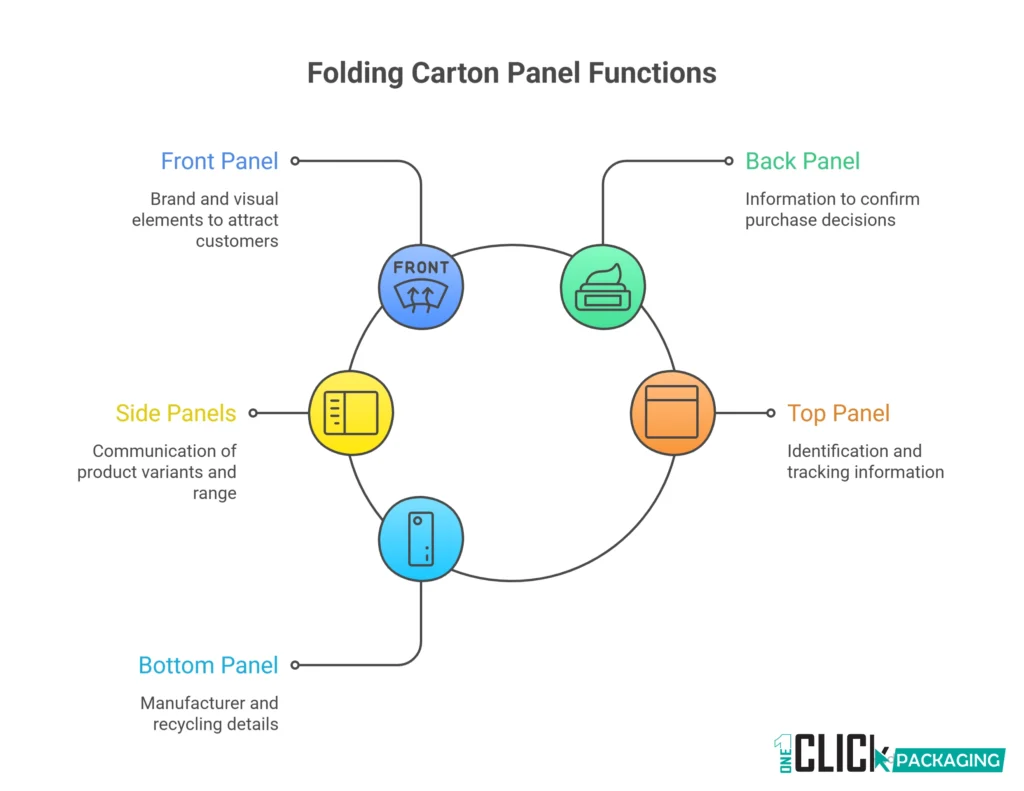
The back panel is where purchase decisions get confirmed. A customer who picks up a product reads the back before they buy. Brands that treat the back panel as a compliance dump, cramming in terms, addresses, and nutritional tables with no visual hierarchy, lose sales at the last step. Benefits, usage, and key claims need a clear hierarchy on that panel.
Using Folding Cartons for Food and Restaurant Packaging
Food packaging adds compliance requirements that non-food brands never encounter. The carton must meet food contact material regulations, not just perform graphically and structurally.
For direct food contact, SBS board with a food-contact compliant coating and low-migration ink system is the standard specification, especially for custom bakery boxes and similar applications. For indirect food contact, requirements are lower but migration limits under EN 13130 or equivalent standards in your export markets still apply.
The most common mistake in food carton briefs is treating food safety compliance as a paperwork issue rather than a material specification decision. That approach has caused product recalls.
Final Thought: The Folding Carton Is Not a Commodity
The brand manager from the opening story eventually made a change. She moved to a 350 GSM SBS carton with matte lamination, a clear information hierarchy, and a dominant colour block that stood out in the health aisle. Sell-through increased 34 percent in the first quarter after relaunch. Nothing else changed.
Folding cartons touch more consumers than almost any other brand asset. They deserve the same rigour as product development and pricing strategy. Treat yours as a strategic tool rather than a supply chain line item, as top packaging box manufacturers already do, and the shelf results will follow.
What does your current folding carton communicate to a customer who has never heard of your brand and has two seconds to decide?
Frequently Asked Questions
Q: What is the minimum order quantity for folding carton boxes?
A: Offset litho converters typically require 5,000 to 25,000 units. Digital printing converters can produce as few as 250 to 1,000 units at a higher per-unit cost. For new SKUs, digital short-run printing is the right starting point before committing to a full offset run.
Q: Are folding carton boxes recyclable?
A: Standard folding cartons with water-based inks and aqueous coatings are recyclable through most kerbside systems. Cartons with soft-touch laminate or metallic foil are not recyclable in standard paper streams. If recyclability is a brand priority, specify water-based coatings only and avoid plastic films at the design stage.
Q: How long does folding carton production take?
A: UK and EU converters quote 4 to 8 weeks from artwork approval. Asian manufacturers quote 6 to 10 weeks plus 4 to 6 weeks freight. Always build two weeks of buffer into your first production timeline. Rush programmes are available but add 20 to 40 percent to unit costs.
Q: What board GSM should I use for my folding carton?
A: Lightweight products under 200g use 270 to 300 GSM. Products from 200g to 600g use 300 to 350 GSM. Heavier items or high-stacking shelf environments use 350 to 400 GSM. Always run a structural test against your actual product weight and supply chain stacking conditions before finalising board spec.
Q: What is the difference between a straight tuck end and a reverse tuck end box?
A: On a straight tuck end, both the top and bottom tuck flaps open from the same side of the box. On a reverse tuck end, they open from opposite sides. Reverse tuck is easier to open and reclose, which makes it preferred for consumer products. Straight tuck produces a cleaner graphic appearance on the front panel and is common in pharmaceuticals.