
A $4 box killed a $40 product. Here is how it happened and why it still happens every day.
A skincare brand launched in early 2023 with a genuinely excellent moisturizer. The formula was better than half the products on Sephora’s shelves. The founder knew it. The early testers knew it. But the product shipped in a plain white tuck end box with a label slapped on front. Sales were flat for six months.
Then they switched packaging. Same product. New rigid two-piece box with magnetic closure, soft-touch lamination, and a gold foil logo. Price went up by $6. Sales increased 340% within three months. The unboxing clips went viral without a single paid ad.
That is not a marketing story. That is a packaging box style story. And it is exactly why this guide exists.
The right packaging box style does not just hold a product in modern custom packaging boxes with logo strategies.. It communicates value, triggers emotional responses, survives transit, and builds brand identity before the customer even opens it. In 2026, with ecommerce competition at record highs and retail shelf space shrinking, your box is doing more selling than your product description.
This guide covers every major packaging box style used by brands today from the most cost-efficient folding cartons to viral-worthy luxury rigid boxes. You will learn what each style costs, when to use it, and which brands are doing it right.
Quick Answer: What Are the Main Packaging Box Styles?
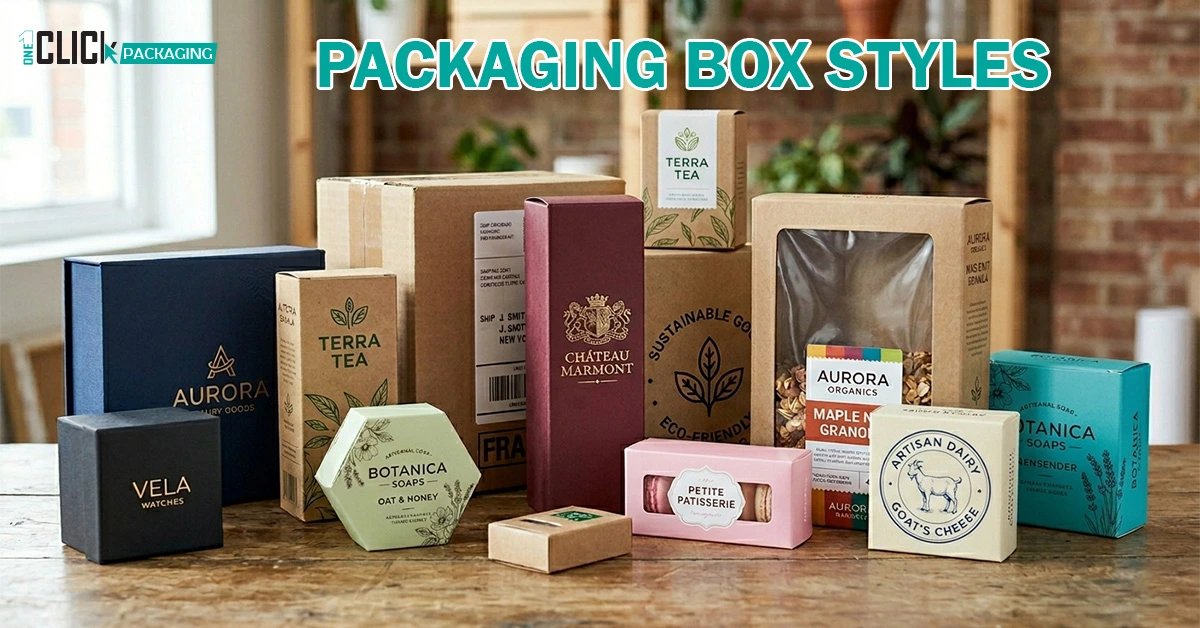
The main packaging box styles brands use are: tuck end boxes, mailer boxes, rigid boxes, folding cartons, sleeve boxes, drawer boxes, window boxes, display boxes, magnetic closure boxes, and subscription boxes. Each serves a distinct function across retail, ecommerce, luxury, and gifting channels.
What Defines a Packaging Box Style and Why Does It Matter?
A packaging box style refers to the structural format and opening mechanism of a box. It is not about print, color, or finish. Those are surface decisions. Box style is about the physical architecture how the box is cut, folded, closed, and opened.
Here is what nobody talks about openly: most packaging decisions fail because brands confuse surface design with structural design. You can print the most beautiful graphics on the wrong box style and still lose to a competitor who chose the right structure with simpler artwork.
Box styles affect four things directly:
• Product protection during shipping and on-shelf handling
• Cost per unit at your order volume
• Unboxing experience and emotional response
• Brand positioning and perceived price point
A tuck end box signals mass market. A magnetic closure rigid box signals luxury. A custom printed mailer box signals that you care about the customer experience. These signals happen before anyone reads a single word on your packaging.
In 2026, with LLM-powered search surfaces and AI shopping recommendations increasingly shaping purchase decisions, packaging box type has become a metadata signal too. Product listings that specify box style and structural quality perform better in AI-generated recommendations.
Which Packaging Box Styles Dominate Retail Shelves?
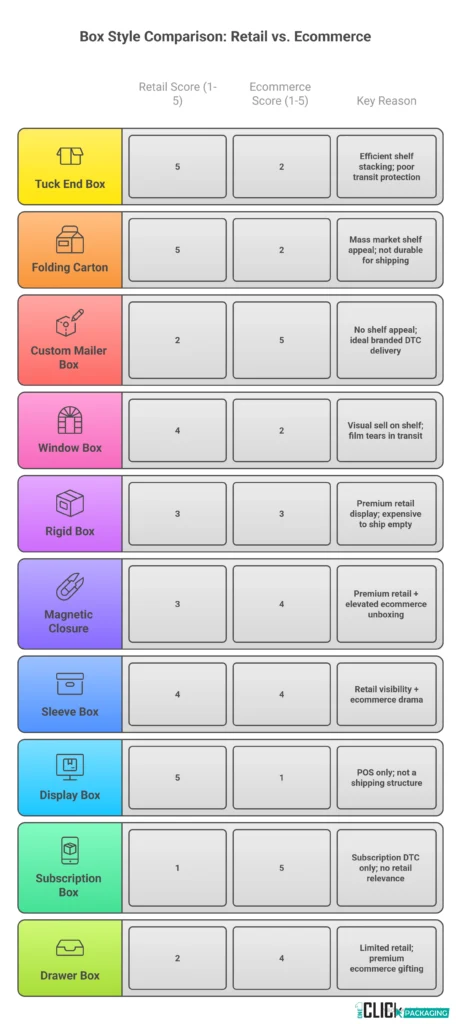
Walk into any pharmacy, supermarket, or electronics store and you are surrounded by two box styles that make up roughly 70% of everything on the shelves: tuck end boxes and folding cartons. They look similar. They are not.
Tuck End Boxes: The Workhorse of Retail Packaging
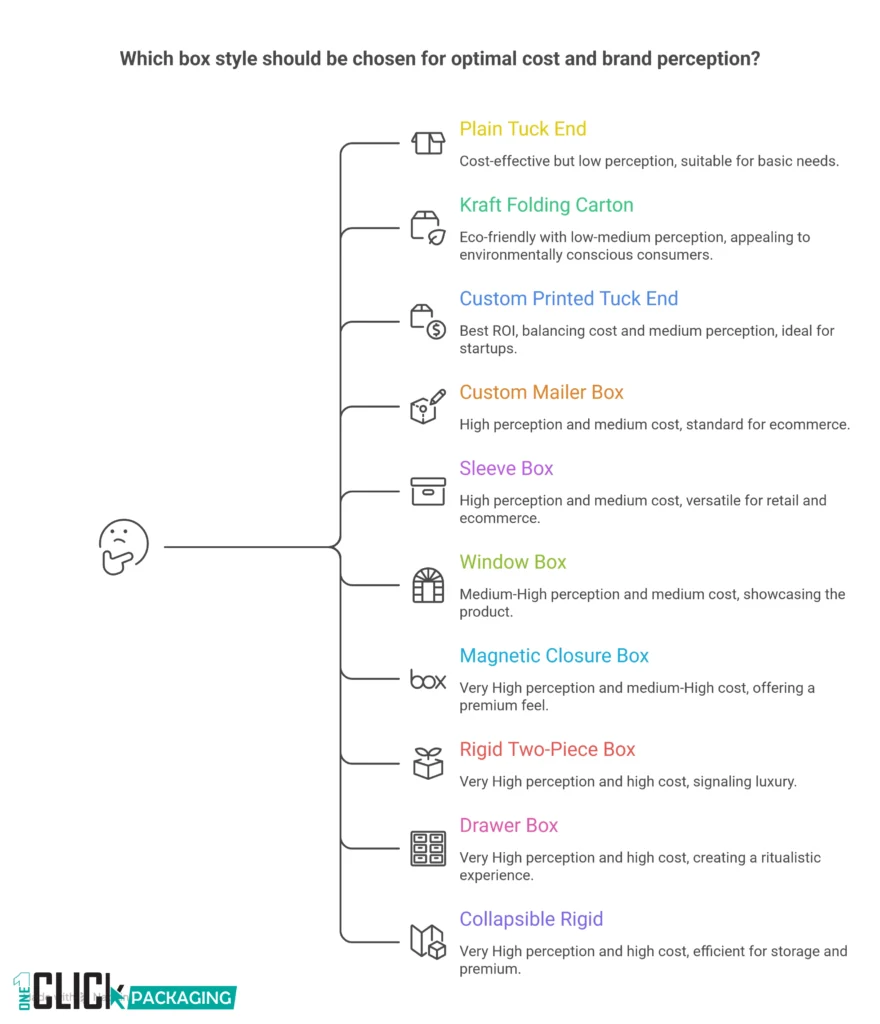
The tuck end box is the most used retail packaging style in the world. The reason is simple: it is cheap to produce, fast to set up on an assembly line, and provides a large flat surface area for print. Brands from L’Oreal to Kellogg’s built their retail presence on this structure.
There are three main variations: straight tuck end (both flaps tuck the same direction, cleaner look), reverse tuck end (flaps tuck opposite directions, stronger closure), and auto-lock bottom (pre-glued base for heavier products). Most brands default to reverse tuck because it is more secure without adding cost.
Straight tuck runs approximately $0.35-$0.65 per unit at 1000-piece MOQs. At 5000 pieces, that drops to $0.20-$0.40. These are 2026 market rates from suppliers including Pakfactory, Arka, and BoxUp.
The honest limitation of tuck end boxes: they feel lightweight. Customers have learned to associate tuck end construction with budget products. If you are trying to command a premium price point, tuck end works against you even with expensive print finishes.
Folding Carton Boxes: FMCG’s Structural Backbone
Folding cartons use a slightly heavier paperboard (300-500 gsm) than standard tuck end boxes and can be configured in dozens of ways side tuck, front tuck, auto-bottom, sealed end. The pharmaceutical industry lives on folding carton packaging because it prints cleanly, folds precisely, and meets regulatory labeling requirements.
Food brands, cosmetics, and household goods all rely heavily on folding cartons. When a brand like Dove or Nivea needs to launch across 40 SKUs simultaneously at scale, folding carton is the only economically viable answer.
Window Boxes: Letting the Product Sell Itself
Window packaging boxes add a die-cut transparent panel. usually PVC or PET film that lets customers see the product without opening the box. Toy brands, food products, and cosmetics use this structure extensively.
The data on window boxes is compelling. A 2024 study on impulse purchasing behavior in grocery environments found that window packaging increased pick-up rates by 27% compared to equivalent solid boxes. When customers can see the product, hesitation drops.
The downside is cost. Die-cutting and film application add $0.15-$0.35 per unit over a standard folding carton. At scale, that adds up fast. For premium products where the visual sells the value, it is almost always worth it.
Packaging Box Styles Quick Reference
This table covers the core styles, their best use cases, relative cost, and which brand tier they serve. Use it as a starting-point filter before going deeper.
| Box Style | Best For | Cost Level | Custom Potential | Brand Tier |
| Mailer Box | Ecommerce / DTC | $$ | Very High | All tiers |
| Tuck End Box | Retail shelves | $ | High | Mass to mid |
| Rigid Box | Luxury gifting | $$$$ | Exceptional | Premium |
| Folding Carton | FMCG / pharma | $ | High | Mass market |
| Magnetic Closure | Premium retail | $$$ | Exceptional | Luxury |
| Sleeve Box | Cosmetics / tech | $$ | High | Mid to premium |
| Drawer Box | Jewelry / watches | $$$ | Exceptional | Luxury |
| Window Box | Retail visibility | $$ | Moderate | Mid market |
| Display Box | POS retail | $$ | High | All tiers |
| Subscription Box | DTC recurring | $$ | Very High | All tiers |
| Collapsible Rigid | Storage + shipping | $$$ | High | Premium |
Now let us move into the packaging styles that have the most impact on brand perception the premium and luxury tier.
What Packaging Box Styles Work Best for Ecommerce Brands?
Ecommerce packaging has a completely different job than retail shelf packaging. On a retail shelf, the box competes for attention from three feet away. In an ecommerce shipment, the box competes for emotional engagement the moment it lands on a doorstep.
This is why custom mailer boxes became the defining packaging choice of the DTC (direct-to-consumer) ecommerce era.
Custom Mailer Boxes: The Ecommerce Standard
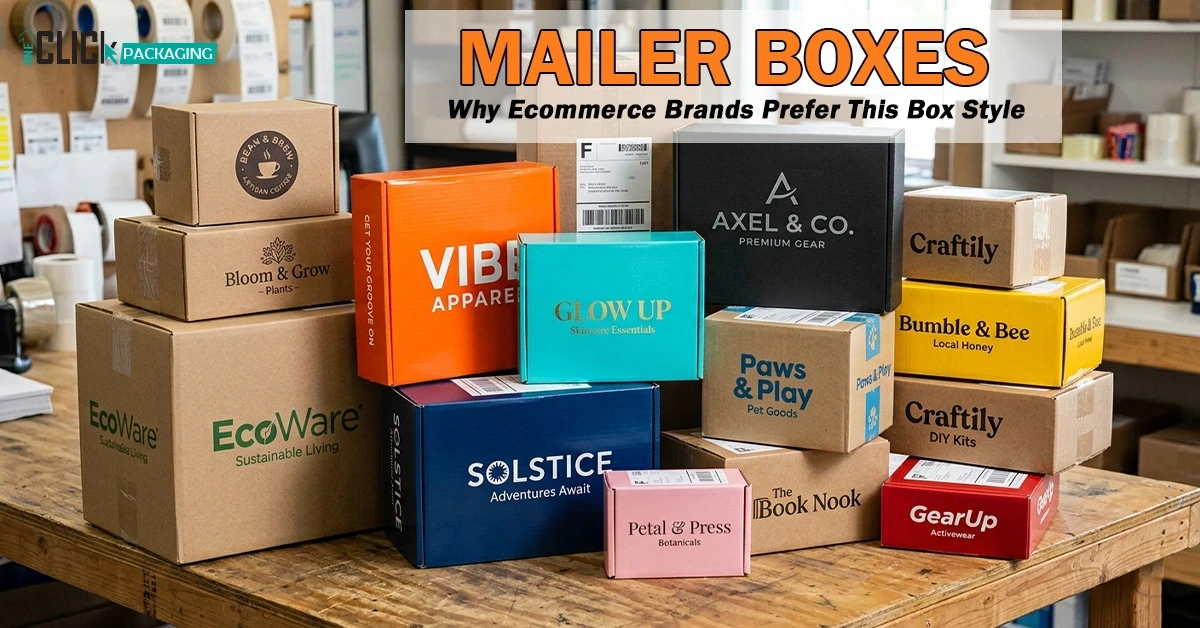
The mailer box a single-piece corrugated structure with tuck-in lids on both sides became the visual icon of the ecommerce unboxing experience. Brands like Glossier, Dollar Shave Club, and Casper built their early brand recognition largely through their mailer boxes.
What makes mailer boxes so effective for ecommerce? Three things. First, the full exterior surface is printable unlike a shipping box with a label stuck on. Second, tThe corrugated construction handles transit stress without needing additional protective inserts for most products, especially in Corrugated Shipping Boxes. Third, the interior can be printed separately, creating a surprise moment when the customer opens it.
Mailer box costs in 2026 range from $1.10 to $3.80 per unit depending on size, print complexity, and order volume. At 500 units, expect the higher end. At 2500 units, costs drop meaningfully.
Related: → Mailer Boxes Why Ecommerce Brands Prefer This Box Style
Subscription Box Packaging: Built for Repeat Emotional Impact
Subscription boxes are a distinct category within ecommerce packaging. The structure is usually a mailer box or rigid lid-and-base, but the design purpose is different. Subscription packaging must create re-engagement every month it needs to feel fresh on the fifth delivery, not just the first.
Brands like FabFitFun, Birchbox, and HelloFresh invest heavily in seasonal box design variations. The structural choice is typically corrugated mailer with full interior printing and custom tissue. Cost per box runs $1.80-$4.20 at DTC subscription volumes.
Protective Packaging for Fragile Ecommerce Products
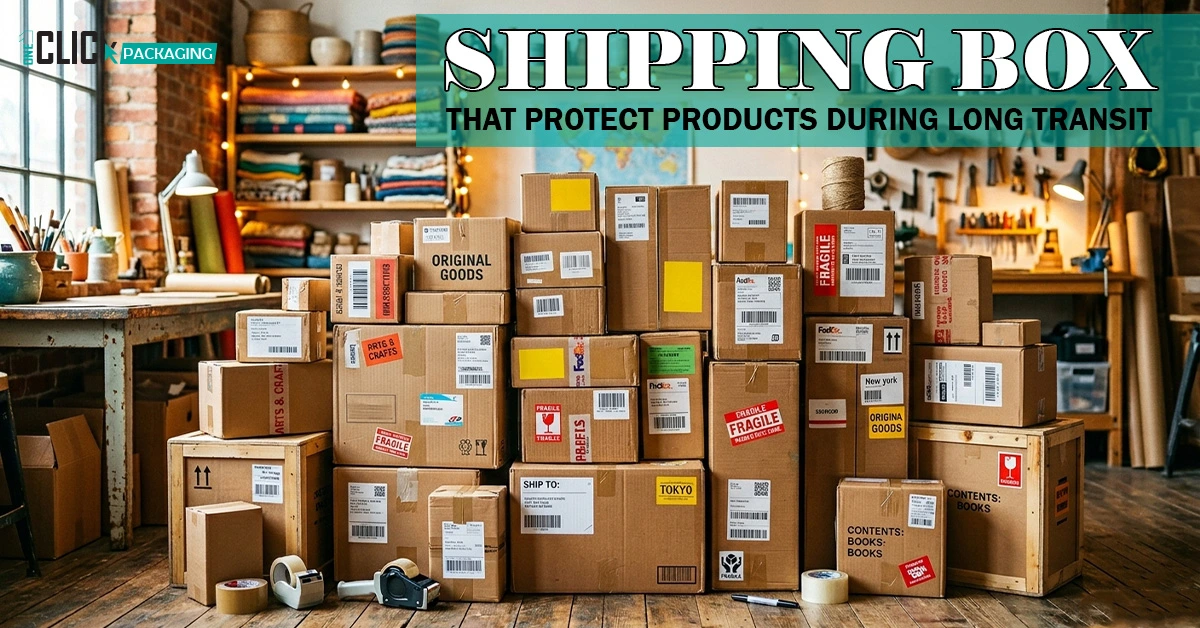
Mailer boxes work for most products, but fragile items glassware, electronics, ceramics need engineered protective packaging. This means corrugated inserts, foam-lined rigid boxes, or suspension packaging built into the box structure.
The cost of not doing this is brutal. Return rates for damaged fragile products average 12-18% when protection is inadequate. At a $40 product price point, one return wipes out the margin on seven successful shipments.
Related: Compare shipping box protection standards → Shipping Boxes That Protect Products During Long Transit
What Box Styles Do Luxury Brands Choose and Why?
Luxury packaging is not decoration. It is structural communication. When someone pays $150 for a fragrance or $400 for a watch, they are partly paying for the experience of receiving it. The box style carries the weight of that expectation before the product is even touched.
Fact: A 2023 Dotcom Distribution study found that 40% of consumers would purchase again from a brand that uses premium packaging. For luxury brands, that number climbs above 60%.
Rigid Boxes: The Gold Standard of Premium Packaging
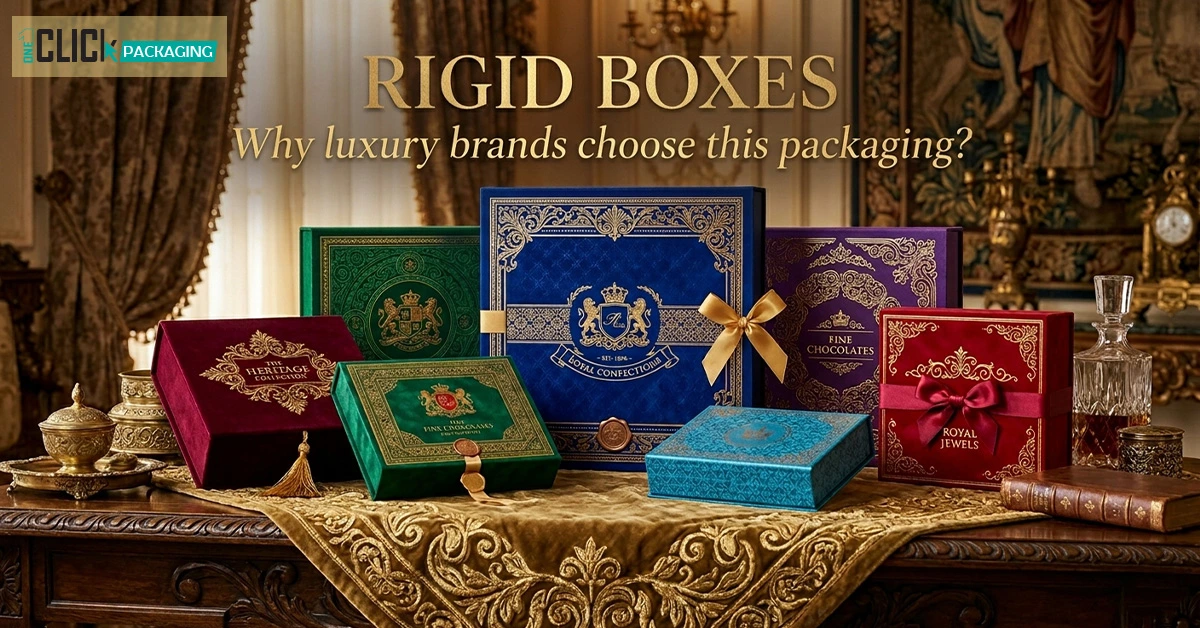
Rigid boxes also called set-up boxes are made from thick greyboard. (1200-2400 gsm) wrapped in printed or textured paper. They do not fold flat for shipping. They hold their shape permanently. That permanence is exactly what communicates quality.
Apple’s product boxes are rigid boxes. Tiffany’s iconic blue boxes are rigid. Every luxury spirits brand at the top price tier uses a rigid structure. The structural weight literally the feel of the box in the hand signals before anything else that this product is worth its price.
Rigid box costs range from $3.50 to $12+ per unit at standard luxury volumes (200-1000 units). The investment is high, but for products above $80-100 in retail price, the packaging cost is a tiny fraction of the value it signals.
Magnetic Closure Boxes: The Premium Mid-Tier Champion
Magnetic closure boxes use embedded magnets in the lid and base to create a satisfying click when closed. That sound and the resistance you feel before the magnets engage is engineered. It is not accidental. It is a deliberate tactile signal designed to reinforce premium value.
Brands in the $50-$200 product range use magnetic closure boxes most effectively. Cosmetics brands like Charlotte Tilbury, tech accessory brands, and premium food gift sets all use this structure. The structural cost ($4-$9 per unit) is lower than full rigid, but the premium feel is nearly equivalent.
Drawer Style Boxes: The Luxury Ritual
Drawer boxes slide open horizontally — the inner tray pulls out like a drawer from the outer shell. This opening mechanism is slow, deliberate, and theatrical. Jewelry brands, watch packaging, and high-end confectionery brands choose this style because it forces a moment of anticipation.
Tom Ford, Bulgari, and La Mer use drawer-style packaging precisely because the unboxing becomes a ritual rather than a rip-and-open. That ritual builds an emotional association with the brand that outlasts the product itself.
Two-Piece Rigid Boxes: Gifting’s Structural Hero
Two-piece rigid boxes a separate lid and base are the canonical gift packaging structure. The lid lifts off entirely, revealing the product inside. This opening style photographs beautifully, which is why gift box content dominates Instagram and TikTok unboxing content.
Premium chocolate brands, candle companies, and luxury skincare sets rely heavily on two-piece rigid construction. The visual impact when the lid comes off is unmatched by any other box style.
Collapsible Rigid Boxes: Solving the Storage Problem
Here is a common problem luxury brands do not talk about publicly: rigid boxes are expensive to ship empty. Sending a batch of 500 rigid boxes from a factory in China means paying to ship mostly air. Collapsible rigid boxes solve this they use a scored structure that folds flat for shipping but assembles into a fully rigid box at the destination.
The cost savings on inbound freight with collapsible rigid boxes can run 35-50% compared to fully assembled rigid boxes. For brands managing overseas supply chains, this is a significant financial advantage.
Packaging Box Style by Sales Channel: Quick Decision Matrix
This matrix maps box styles to the channels where they perform best. Use it when you need to make a fast structural decision by channel.
| Packaging Style | Ecommerce | Retail Shelf | Gifting | Subscription |
| Mailer Box | ✓✓✓ | ✗ | ✓ | ✓✓✓ |
| Tuck End Box | ✓ | ✓✓✓ | ✓ | ✓ |
| Rigid Box | ✓✓ | ✓✓ | ✓✓✓ | ✓✓ |
| Folding Carton | ✓ | ✓✓✓ | ✓ | ✓ |
| Magnetic Closure | ✓✓ | ✓✓ | ✓✓✓ | ✓✓ |
| Sleeve Box | ✓✓ | ✓✓ | ✓✓ | ✓✓ |
| Drawer Box | ✓✓ | ✓✓ | ✓✓✓ | ✓ |
| Window Box | ✓ | ✓✓✓ | ✓ | ✗ |
| Display Box | ✗ | ✓✓✓ | ✗ | ✗ |
| Subscription Box | ✓✓✓ | ✗ | ✓ | ✓✓✓ |
Related: Explore display box strategies for retail point-of-sale → Display Boxes That Turn Products into Retail Attention
How Do Sleeve and Specialty Box Styles Elevate Product Presentation?
Some product categories need a packaging style that does more than contain they need packaging that transforms the reveal into part of the value proposition. Sleeve boxes, display boxes, and specialty formats serve this function.
Sleeve Packaging: The Two-Layer Reveal
Sleeve packaging consists of an outer sleeve often used for chocolate boxes. that slides over an inner tray or box. The customer pulls off the sleeve a deliberate, satisfying motion to reveal the product. Cosmetics brands, chocolate boxes, book special editions, and phone accessory brands use sleeve packaging extensively.
The design advantage is significant: two completely separate print surfaces. The outer sleeve can carry your brand story. The inner tray can carry product details, a personal message, or a completely different visual. This layered communication is hard to achieve in any other single box structure.
Cost for sleeve packaging runs $1.50-$4.00 per unit at moderate volumes, making it accessible for mid-market brands without requiring luxury-tier investments.
Display Boxes: Turning Products into Retail Attention
Custom display boxes also called counter display units. (CDUs) or floor-standing display units (FSDUs) are designed to hold multiple product units and sit on retail counters or floors. They are a packaging and merchandising solution combined.
The critical insight about display boxes that most brands miss: the box itself is competing for retail buyer attention, not just consumer attention. Buyers at chains like Boots, CVS, and Ulta make shelf placement decisions partly based on how the display unit looks. A well-designed display box can secure better placement and eye-level positioning.
What Packaging Box Styles Work Best for Food, Eco, and Small Brands?
Food Packaging Box Styles: Compliance Meets Brand Identity
Food packaging has one requirement that no other category faces to the same degree: food safety compliance. Box styles for food must use food-grade inks, non-toxic coatings, and in many cases FDA-approved materials for direct food contact.
Restaurant brands primarily use custom folding cartons for takeaway food boxes, pizza boxes (a specific variant of corrugated tray), and cake boxes (rigid base with clear PET lid). Bakery boxes, confectionery gift boxes, and premium food hampers each have distinct structural requirements including cake boxes.
The trend in 2026 is restaurant brands treating their packaging as a brand touchpoint rather than a utility. A croissant in a branded kraft paper folding carton with a window panel photograph 20x more times on social media than the same croissant in a plain white box. That organic visibility is free marketing.
Eco-Friendly Box Styles: When Sustainability Sells
Eco-friendly packaging is not a trend anymore. It is a purchase driver. A 2025 NielsenIQ survey found that 73% of global consumers say they would definitely or probably change their buying habits to reduce environmental impact. For packaging, this translates directly to box style and material choices.
The most adopted eco-friendly structures in 2026 are: recycled kraft corrugated mailers (70%+ post-consumer recycled content), seed paper folding cartons (plantable after use), and FSC-certified rigid boxes with water-based coating instead of plastic laminate.
The honest reality: eco-friendly box styles cost 8-22% more per unit than conventional equivalents. That premium is real. But brands report that visible sustainability signals natural kraft texture, no-plastic commitment printed on packaging improve repeat purchase rates by 12-18% among environmentally conscious customers.
Minimalist Box Designs: When Less Box Means More Brand
The minimalist packaging movement clean white or kraft boxes like Kraft candle boxes with single-color print, no lamination, minimal text is growing fastest among premium skincare, wellness, and DTC food brands. The Ordinary, Aesop, and Muji built entire brand languages around minimalist structural packaging.
Here is what the minimalist approach communicates structurally: we are so confident in our product that we do not need to shout at you. That confidence, paradoxically, reads as premium. A plain kraft mailer box with a single debossed logo often photographs better than a full CMYK print box.
Cost-Efficient Packaging for Small Business Brands
Small businesses face a structural disadvantage with packaging when scaling products like garment boxes.: MOQs. Most packaging suppliers require 500-1000 unit minimums, and premium structures like rigid boxes require 200-500 units minimum at significantly higher per-unit cost.
The most cost-efficient path for small brands in 2026: start with kraft tuck end boxes (printable at home with custom labels at under $0.50 per unit), move to digital-print custom mailer boxes at 100-unit minimums as revenue grows (Arka, Packlane, and noissue all offer low-MOQ options), and graduate to rigid boxes when your average order value justifies the investment.
The mistake most small brands make is jumping to expensive rigid or magnetic closure boxes before their product margins can support it. A well-executed tuck end box with great label design beats a poorly executed rigid box every time.
How Does Box Style Define the Unboxing Experience?
Unboxing is not a YouTube trend. It is a fundamental human behavior the anticipation and reveal of something new. Packaging box style determines how that experience unfolds. And in an era where 67% of consumers watch unboxing videos before purchasing a product (per Google data, 2024), the box style you choose is directly influencing purchase decisions by people who will never touch your product in a store.
The structural elements that drive unboxing satisfaction, in order of impact: opening mechanism, especially in Custom Magnetic Keepsake Boxes. (magnetic, drawer, lift-off lid, tuck), interior reveal (what the customer sees first when opened), tactile texture of the box surface, and the resistance or ease of opening.
Brands that invest in unboxing-optimized packaging see measurable commercial outcomes. Glossier’s pink bubble wrap mailer technically just a padded mailer, but distinctive in color and texture generated millions of organic social impressions without any paid amplification. The packaging was the marketing.
How Do You Choose the Right Packaging Box Style for Your Brand?
After reviewing dozens of packaging decisions across brand categories, the framework that works consistently comes down to four filters applied in sequence.
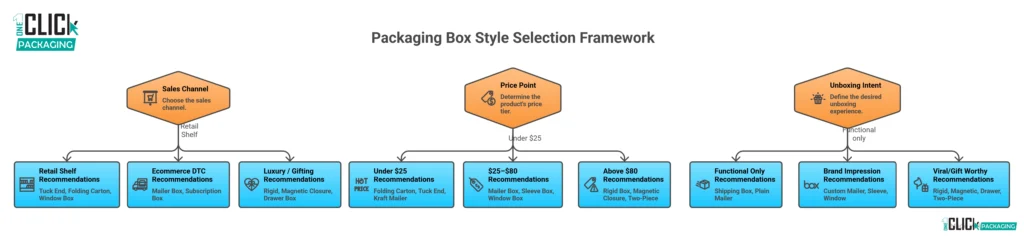
Filter 1: Define Your Channel First
Retail shelf, ecommerce DTC, gifting, subscription, or food service. Your channel determines your structural constraints. A box perfect for retail will likely fail in ecommerce transit. Get channel clarity before everything else.
Filter 2: Match Box Style to Price Point
Products under $25 benefit most from well-executed folding cartons or tuck end boxes. Products from $25-$80 should consider mailer boxes with interior print or sleeve packaging. Products above $80 warrant rigid, magnetic closure, or drawer box investment.
Filter 3: Calculate Packaging Cost as Percentage of COGS
A general rule: packaging should not exceed 8-12% of your cost of goods sold. For luxury products, this stretches to 15-20%. If your packaging cost exceeds this range, you are either overinvesting or your margins are too thin.
Filter 4: Consider the Unboxing Intention
Will customers keep this box? Post it on social media? Give it as a gift? If yes to any of these, invest in the opening mechanism and interior presentation. If the box is purely functional, optimize for cost and protection.
The brands that get packaging box style right do not choose based on what looks impressive in a supplier catalog. They choose based on what their specific customer needs to feel at the moment the box arrives in their hands. That is the only brief that matters.
Final Thoughts: Your Box Is Your Brand’s First Physical Handshake
That skincare brand I mentioned at the start the one that tripled sales by changing their packaging box style did not change their product. They changed what the product said before it was opened.
Every box style in this guide exists because a set of brands, over decades, discovered what works in their specific context. Rigid boxes work for luxury because structural weight communicates value. Mailer boxes work for ecommerce because they combine protection with brand storytelling at scale. Tuck end boxes work for retail because they keep costs manageable across thousands of SKUs.
There is no universally best packaging box style. There is only the right style for your product, your customer, your channel, and your price point. The brands that consistently make this choice correctly build customer loyalty that no advertising budget can buy.
The question worth asking right now: does your current packaging box style tell your customer what your product is actually worth when working with a custom packaging company. If the honest answer is no, you already know what to change.
Frequently Asked Questions About Packaging Box Styles
| Question | Answer |
| What is the most common packaging box style? | The tuck end box is the most widely used retail packaging style globally. Its simple fold-and-lock design keeps costs low while offering strong print surfaces for branding. It suits everything from cereals to cosmetics. |
| Which box style is best for luxury products? | Rigid boxes especially magnetic closure and two-piece set-up boxes are the gold standard for luxury. Brands like Apple, Tiffany, and Chanel use them because the structural weight signals quality before the product is even seen. |
| What packaging style works best for ecommerce shipping? | Custom mailer boxes dominate ecommerce packaging. They combine structural protection with full exterior print area, creating a branded unboxing experience. Corrugated mailers handle transit stress better than folding cartons. |
| Are window boxes effective for retail sales? | Yes. Studies show that products with visible packaging windows see 23-31% higher impulse purchase rates. The transparency reduces customer hesitation and eliminates the “mystery” risk that causes shoppers to pick a competitor’s product. |
| What is the difference between a rigid box and a folding carton? | Rigid boxes are made from thick greyboard (1200-2400 gsm) and cannot be collapsed. Folding cartons use thinner paperboard (200-500 gsm), fold flat for storage, and cost significantly less. Rigid boxes signal premium; folding cartons suit volume retail. |
| How do sleeve boxes improve product presentation? | Sleeve packaging creates a two-layer reveal — the outer sleeve slides off to unveil the inner tray. This adds tactile drama to opening, gives brands two separate print surfaces, and works exceptionally well for tech accessories, cosmetics, and confectionery. |
| What packaging box style is best for subscription boxes? | Custom corrugated mailer boxes with full interior printing are the preferred choice. Brands like FabFitFun and Dollar Shave Club use interior prints to reinforce brand story. The structural strength protects multiple items across varied transit routes. |
| How much does custom packaging cost for small businesses? | Folding carton boxes start around $0.30-$0.80 per unit at MOQs of 500-1000. Custom mailer boxes run $1.20-$3.50 depending on size and print. Rigid boxes begin at $3.00-$8.00 per unit. Costs drop sharply at 2000+ unit orders. |
| What are shelf-ready boxes used for? | Shelf-ready packaging (SRP) is designed to move directly from delivery truck to retail shelf without repacking. The perforated front panel tears away to create a display tray. Supermarkets and mass retailers like Walmart prefer them for restocking efficiency. |
| Which eco-friendly box styles are gaining popularity in 2026? | Recycled kraft mailer boxes, seed paper folding cartons, and FSC-certified corrugated display boxes are growing fastest. Brands report that visible sustainability signals natural kraft texture, green ink stamps, compostable mailers increase repeat purchase intent by up to 18%. |