Choosing the right packaging material affects more than appearance.
It can influence product protection, printing, shipping, storage, and customer experience.
For example, a lightweight cosmetic may work well in paperboard. A fragile ecommerce product may need corrugated protection. Meanwhile, a luxury gift may benefit from a rigid box.
That is why understanding different packaging materials matters.
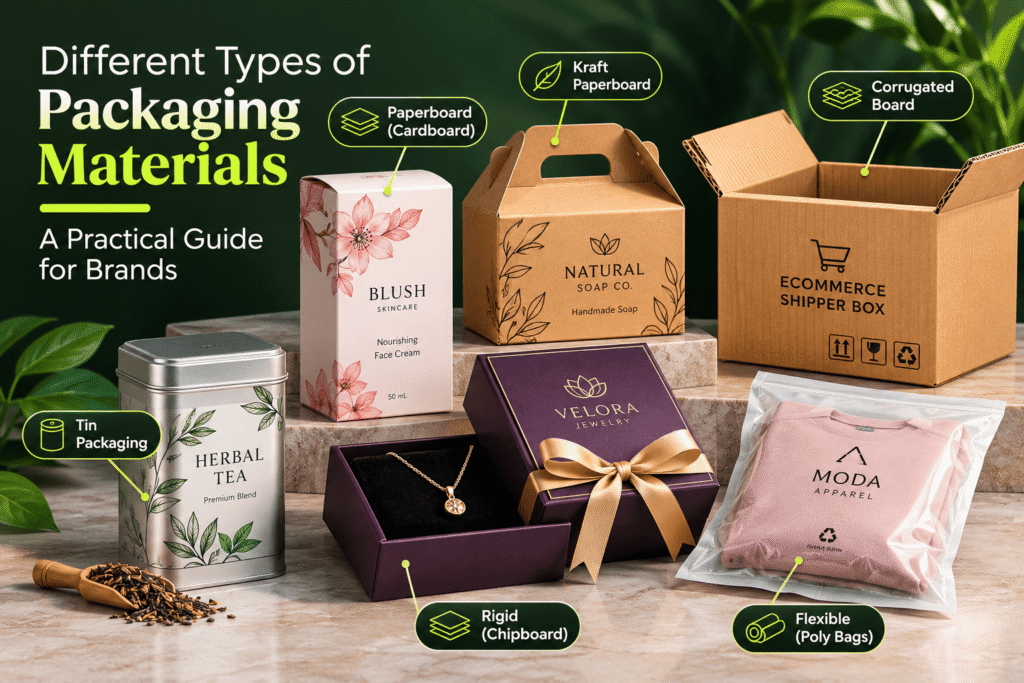
At One Click Packaging, brands can explore cardboard, kraft paperboard, corrugated board, rigid chipboard, tin, and flexible packaging.
This guide explains how each material works, where it is commonly used, and how to choose the right option for your product.
Why Packaging Material Matters
Packaging material has a direct effect on how a product is stored, shipped, displayed, and presented.
Before choosing a material, think about the product itself.
Consider:
- Weight
- Size
- Shape
- Fragility
- Shipping method
- Retail display
- Branding needs
A candle jar needs more protection than a T-shirt.
A jewelry set also has different presentation needs from a takeaway food product.
For this reason, choose the material based on function first. Appearance can come next.
Cardboard and Paperboard Packaging
Cardboard and paperboard are among the most common packaging materials for retail products.
They work well for lightweight items that need a clean printed carton.
Common uses include:
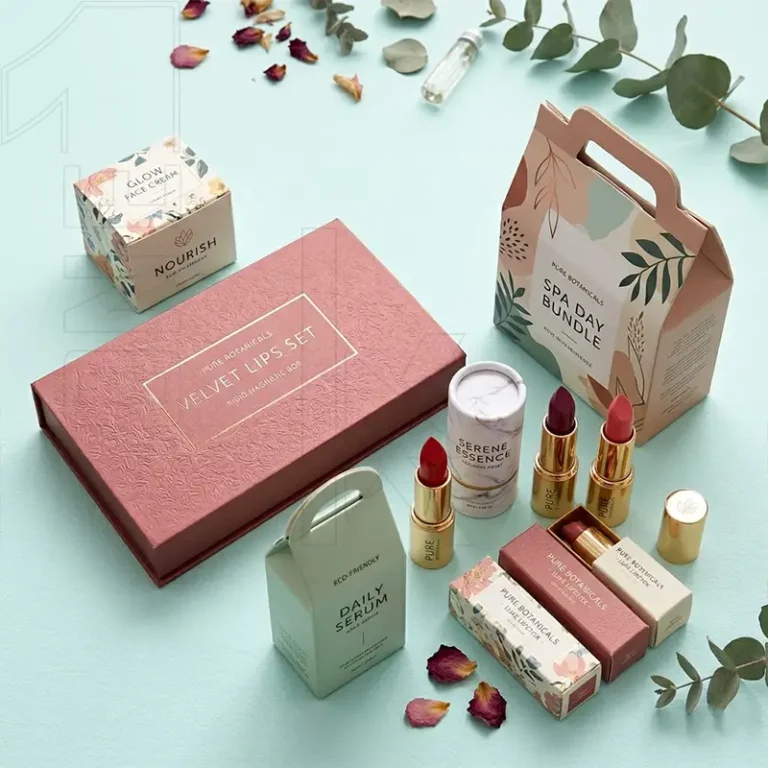
- Cosmetics
- Soap
- Skincare
- Small electronics
- Food products
- Supplements
- Retail accessories
Paperboard gives brands a smooth surface for printing.
Logos, product details, illustrations, patterns, and brand colors can all be added easily.
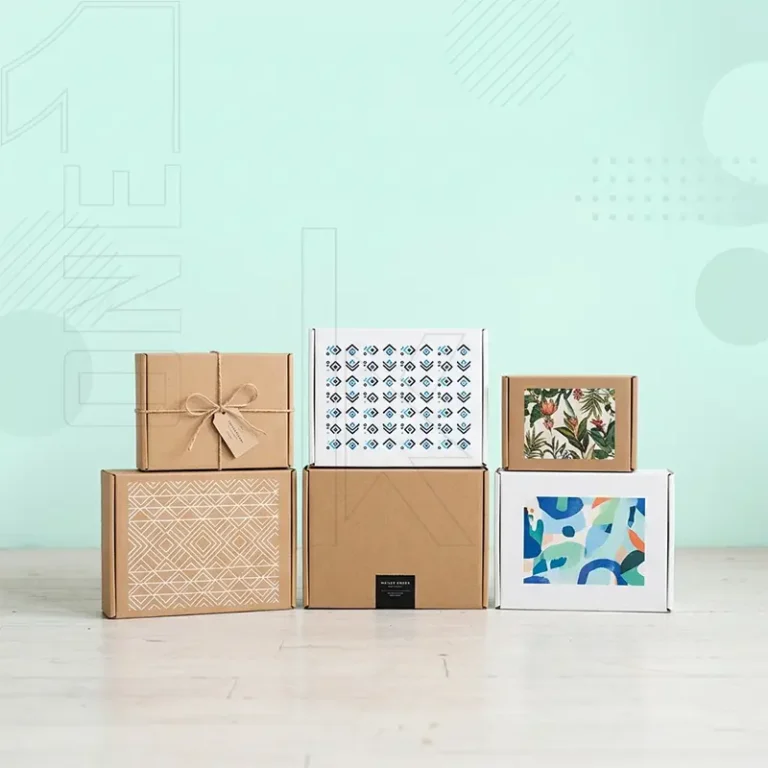
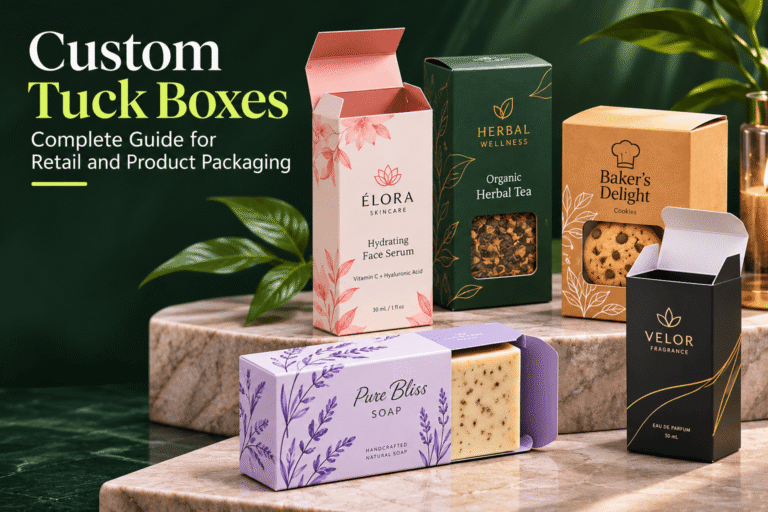
It can also be used for tuck boxes, sleeves, window boxes, and display cartons.
For many retail products, paperboard offers a good balance between presentation and practicality.
You can browse more options in the One Click Packaging shop.
Kraft Packaging
Kraft packaging is popular with brands that want a simple and natural look.
Its brown surface works well with minimal artwork, dark printing, labels, and one-color logos.
Kraft packaging can be a good fit for:
- Handmade products
- Soap
- Candles
- Food
- Apparel
- Gifts
It can also include windows, inserts, custom printing, and different box styles.
A kraft box does not need a complicated design.
In many cases, simple branding creates the strongest result.
Brands interested in this style can explore Custom Kraft Boxes.
Corrugated Packaging
Corrugated packaging is often used when a product needs more structural support.
Corrugated board has a fluted layer between liner sheets.
This gives it more strength than standard paperboard.
It is commonly used for:
- Ecommerce shipping
- Mailer boxes
- Subscription boxes
- Heavy retail products
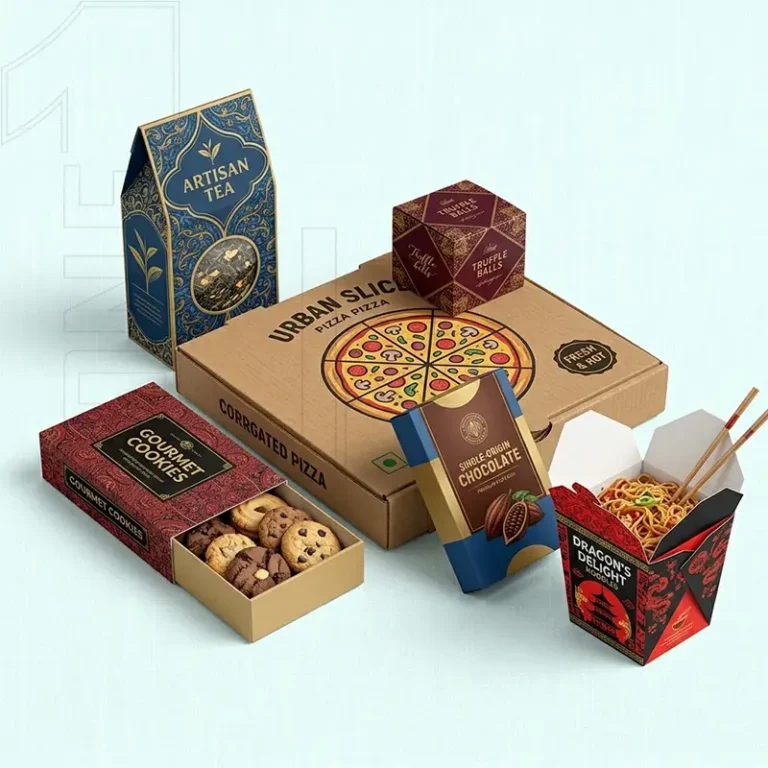
- Food delivery
- Fragile items
- Shipping cartons
Different flute types can also be used.
For example, E-flute can work well for branded ecommerce packaging. Other flute profiles may provide more support for heavier products.
If you want a deeper explanation, read the Custom Corrugated Boxes Guide.
Rigid Packaging
Rigid boxes are often used when premium presentation is important.
Unlike folding cartons, rigid boxes keep their shape.
This gives them a stronger and more substantial feel.
Rigid packaging is commonly used for:
- Jewelry
- Cosmetics
- Fragrance
- Electronics
- Gift sets
- Candles
- Luxury products
Rigid boxes can also include inserts, foil details, embossing, debossing, and soft-touch finishes.
However, they usually take up more storage space because they do not fold flat.
That tradeoff can make sense when the unboxing experience matters.
Brands can explore Custom Rigid Boxes for premium packaging styles.
Tin Packaging
Paper is not the only material used for packaging.
Tin packaging provides a rigid metal structure and can create a more reusable product experience.
Tin is often used for:
- Tea
- Coffee
- Cookies
- Confectionery
- Candles
- Cosmetics
- Gifts
- Promotional products
Custom tins can be made in different shapes and sizes.
They may also include printed artwork, labels, embossed details, or branded lids.
One advantage of tin packaging is that customers may continue using the container after the original product is gone.
However, the structure should still match the product.
Food products, for example, may need specific coatings or other components depending on the intended use.
For more detail, read the Custom Tin Packaging Guide.
Poly Bags and Flexible Packaging
Not every product needs a box.
Poly bags can be a practical option for lightweight and flexible products.
They are commonly used for:
- Clothing
- Accessories
- Textiles
- Ecommerce shipments
- Small retail items
- Printed products
Poly bags can be clear or opaque.
They may also include custom printing, logos, closures, and custom sizing.
For apparel, a poly bag can help keep a folded garment clean and organized.
For ecommerce, a poly mailer may work as the outer package when the product does not need rigid protection.
Read the Custom Poly Bags Guide for more information about sizing, printing, closures, and ecommerce use.
Mylar and Flexible Barrier Packaging
Some products need flexible packaging with stronger barrier properties.
This can include snacks, coffee, supplements, and other items that need protection from moisture, air, or light.
Mylar-style packaging may include:
- Resealable closures
- Custom printing
- Tear notches
- Clear windows
- Hanging holes
- Different finishes
However, the barrier level should match the actual product.
A bag that works for clothing may not be suitable for coffee or food.
So, always choose flexible packaging based on the product’s storage and protection needs.
Food Packaging Materials
Food packaging needs careful material selection.
The package may need to handle grease, moisture, heat, or direct food contact.
Common food packaging materials include:
- Paperboard
- Kraft board
- Corrugated board
- Flexible pouches
- Tin containers
The right choice depends on the food product.
For example, a pizza box has very different requirements from a coffee pouch or cookie tin.
Businesses can explore Custom Food Boxes for product-specific options.
Packaging Materials for Luxury Products
Luxury packaging often depends on structure, texture, weight, and presentation.
Rigid chipboard is one of the most common materials for premium boxes.
Tin and specialty papers can also create a high-end look.
However, luxury does not always mean using the heaviest material.
Good design matters just as much.
A simple rigid box with a clean insert can feel more premium than a package with too many decorative details.
For more premium options, read the Luxury Packaging Materials Guide.
How Printing Changes Packaging Materials
The same material can look very different depending on how it is printed.
A kraft box with a simple black logo creates one type of brand experience.
A white paperboard carton with full-color artwork creates another.
Brands may use:
- Full-color printing
- Pantone color matching
- Inside printing
- Foil details
- Spot UV
- Embossing
- Debossing
- Matte finishes
- Gloss finishes
The printing method should support the brand.
It should not overwhelm the package.
Simple products often look better with simple artwork.
Premium products may benefit from more refined finishes.
Packaging Inserts and Add-Ons
The main packaging material is only one part of the final package.
Some products also need extra components.
These may include:
- Cardboard inserts
- Foam inserts
- Window cutouts
- Sleeves
- Handles
- Labels
- Stickers
- Thank-you cards
Inserts can help keep products in place.
However, every extra component should have a clear purpose.
Adding unnecessary layers can increase complexity without improving the customer experience.
Cardboard vs Corrugated Packaging
Cardboard and corrugated materials are often confused.
However, they usually solve different packaging problems.
Paperboard works well for lightweight retail packaging.
Corrugated board provides more structural support for shipping.
For example, a cosmetic bottle may sit inside a printed paperboard carton.
Several cartons can then be packed inside a corrugated shipping box.
Using both materials can create a practical packaging system.
Kraft vs White Paperboard
Kraft and white paperboard can support similar box styles, but they create different looks.
Kraft has a natural brown appearance.
White paperboard provides a cleaner surface for bright colors and detailed artwork.
A handmade soap brand may prefer kraft.
A cosmetics brand may prefer white paperboard.
Neither option is automatically better.
Choose the material that fits both the product and the brand.
Rigid Boxes vs Folding Cartons
Rigid packaging provides more structure and a more substantial presentation.
Folding cartons are lighter and usually store flat before assembly.
That makes them practical for many everyday retail products.
For example, a premium fragrance set may suit a rigid presentation box.
A standard cosmetic product may work well in a folding carton.
Choose based on how much structure and presentation the product needs.
Tin Packaging vs Paper Packaging
Tin and paper packaging create very different experiences.
Tin is rigid and may be reused.
Paper packaging is often lighter and easier to store.
Tin can work well for gifts, tea, coffee, candles, and confectionery.
Paperboard may be more practical for everyday retail packaging.
Some brands use both.
For example, a tin may be placed inside a printed sleeve or outer carton.
Poly Bags vs Boxes
Poly bags work well for soft and lightweight products.
Boxes provide more structural protection.
A T-shirt may only need a poly bag for organization and shipping.
A glass candle jar usually needs stronger packaging.
Some brands use both materials together.
For example, a product can be placed inside a poly bag and then packed into a corrugated box for shipping.
The goal is to use the right level of packaging for the product.
How to Choose the Right Packaging Material
Start with the product.
Look at its weight, dimensions, shape, and fragility.
Then think about how it will be sold.
Will it sit on a retail shelf?
Will it be shipped directly to a customer?
Does it need a premium unboxing experience?
Next, think about printing and branding.
Some materials work well with detailed artwork. Others look better with simpler designs.
Finally, consider storage and shipping.
Rigid boxes may look premium but take up more warehouse space.
Folding cartons are easier to store.
Poly bags use less space but provide less structural protection.
There is no single best packaging material for every product.
The best choice is the one that fits the product, brand, and shipping process.
Choosing Packaging Materials for Your Brand
Packaging should solve a real problem.
Do not choose rigid packaging only because it looks premium.
Do not choose kraft only because it looks natural.
Do not choose flexible packaging if the product needs strong protection.
Instead, match the material to the product.
This usually leads to better performance and a more consistent customer experience.
Explore Packaging Materials with One Click Packaging
The right material can make packaging more practical, attractive, and easier to use.
Paperboard works well for many retail products.
Kraft offers a natural appearance.
Corrugated packaging adds strength for shipping.
Rigid boxes support premium presentation.
Tin creates a durable and distinctive package.
Poly bags provide a lightweight option for apparel and ecommerce.
At One Click Packaging, businesses can compare materials, box styles, printing options, and finishes.
You can explore Custom Kraft Boxes, Custom Rigid Boxes, the Custom Corrugated Boxes Guide, the Custom Tin Packaging Guide, and the Custom Poly Bags Guide.
When you know your product dimensions and packaging requirements, request a custom packaging quote.
Prefer to discuss the options first?
Book a packaging consultation with One Click Packaging to discuss the right packaging material for your product.
Frequently Asked Questions
What are the main types of packaging materials?
Common packaging materials include paperboard, kraft paperboard, corrugated board, rigid chipboard, metal tins, poly bags, and flexible packaging.
What is the best packaging material for retail products?
It depends on the product. Paperboard works well for many lightweight retail items, while rigid packaging may be better for premium products.
What packaging material is best for shipping?
Corrugated packaging is commonly used for shipping because its fluted structure provides more support than standard paperboard.
What material is used for luxury packaging?
Rigid chipboard is widely used for luxury packaging. Tin and specialty papers may also work well depending on the product.
Is kraft packaging suitable for custom printing?
Yes. Kraft packaging can be printed with logos, text, and artwork. Simple designs often work especially well on the natural brown surface.
What products can use poly bags?
Poly bags are commonly used for clothing, accessories, textiles, ecommerce products, and other lightweight items that do not need rigid protection.
When should a brand use tin packaging?
Tin packaging can work well for tea, coffee, cookies, confectionery, candles, gifts, cosmetics, and other products that benefit from a rigid container.
Can different packaging materials be used together?
Yes. A product may use a paperboard retail carton, an insert for support, and a corrugated outer box for shipping.
How do I choose between cardboard, kraft, corrugated, rigid, tin, and poly packaging?
Consider the product’s weight, dimensions, fragility, shipping method, presentation needs, storage requirements, and branding before choosing the material.